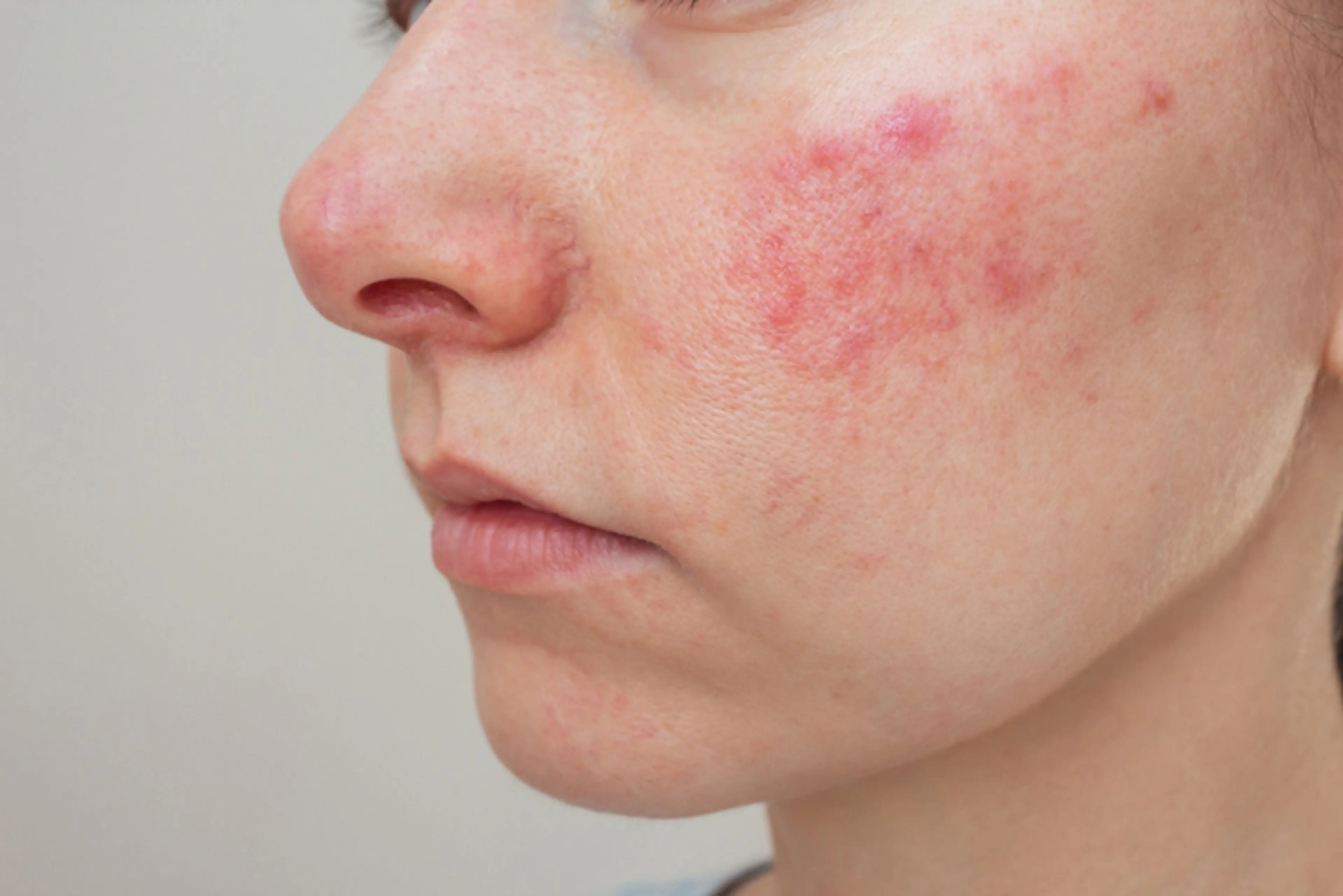
Acne is more than a breakout on the face — it’s a psychological and emotional experience. For many, especially adults with persistent acne, it can feel like an unwelcome companion that won’t leave, no matter how many cleansers, pills, or topical creams you’ve tried.
If you’ve been researching ways to break the cycle, you’ve likely come across Agnes Acne Treatment — a relatively new, high‑precision device touted for its ability to tackle stubborn acne. But the question that really matters is: Does it actually work? Let’s unpack it carefully, honestly, and with real clinical insight.
What Is Agnes Acne Treatment?
what-is-agnes-acne-treatmentTo understand whether Agnes works, it helps to know what it is.
Agnes is an advanced radiofrequency (RF) device designed to treat localized skin issues. Unlike broad‑spectrum acne therapies like oral antibiotics or general light treatments, Agnes targets precise structures beneath the skin’s surface — particularly the sebaceous (oil) glands and cystic nodules that fuel persistent acne.
In practice, the treatment involves:
Using a tiny, insulated needle to deliver controlled RF energy into the deeper layers of skin
Heating targeted tissues to reduce oil production and collapse problematic cysts
Minimal damage to surrounding healthy tissue
This isn’t a surface‑level treatment like salicylic acid peels or over‑the‑counter LED lights. Agnes works internally, directly where acne starts.
Experienced clinicians often describe it like this:
“It’s not about cleaning the skin — it’s about correcting the root mechanisms that sustain chronic acne.”
Why Persistent Acne Is Hard to Beat
why-persistent-acne-is-hard-to-beatTo understand why Agnes is gaining attention, you have to understand why traditional acne therapies sometimes fall short.
Acne forms through a cascade of events:
Excess sebum (oil) production
Clogged pores
Inflammation and bacterial overgrowth
Deep cyst formation
Conventional treatments — like benzoyl peroxide, topical retinoids, and antibiotics — tend to manage symptoms at the surface. They help reduce bacteria and exfoliate clogged skin, but they don’t always address the deeper structural and functional changes in the sebaceous glands.
For people with persistent acne, especially cystic or nodular types, that’s why breakouts keep returning. The environment that nurtures acne — deep‑seated oil production and cyst formation — keeps re‑emerging.
This is where a technology like Agnes becomes relevant. It directly targets those deep oil‑producing glands that are often the true culprits.
How Agnes Treats Acne
how-agnes-treats-acne
Agnes uses focused radiofrequency energy delivered through a fine probe. A trained clinician inserts the probe just beneath the skin’s surface and delivers controlled heat energy targeted at:
✔ Enlarged sebaceous glands
✔ Inflammatory acne cysts
✔ Oil‑producing units
Unlike broad RF devices that heat large areas, Agnes can pinpoint tiny regions with precision — meaning effective treatment with less collateral thermal spread.
Here’s what happens in real terms:
Precision heating weakens and shrinks sebaceous glands
Energy delivered directly reduces the blood supply feeding deep cysts
Inflammation subsides as the targeted source of irritation diminishes
Oil production decreases, making future breakouts less intense
Experienced aesthetic physicians often compare it to disabling the engine of acne, rather than just washing away the visible symptoms.
Does Agnes Work for Persistent Acne?
does-agnes-work-for-persistent-acneThe honest answer: Yes — for many people, it does work.
But here’s the nuance that’s important:
Agnes is most effective when acne is deep, localized, and resistant to standard treatments.
When Agnes Is Most Effective
when-agnes-is-most-effectiveAgnes shows especially promising results in cases involving:
Deep cystic acne that doesn’t respond to topical or systemic therapies
Chronic inflammatory acne nodules
Patients who have tried multiple antibiotics, retinoids, or hormonal treatments without sustained relief
In these situations, adults often report a significant reduction in breakouts and inflammation after a course of Agnes treatments.
When Agnes Might Not Be the Best First Choice
when-agnes-might-not-be-the-best-first-choiceFor mild acne or predominantly surface blackheads and whiteheads, simpler therapies (like topical retinoids, chemical peels, or blue‑red light therapy) can be effective and less invasive.
Agnes is not a universal acne cure — it’s a precision intervention. It’s most beneficial when deeper skin anatomy needs correction, not just surface exfoliation.
What to Expect During Treatment
what-to-expect-during-treatment
From a clinical perspective, Agnes aesthetic procedures are generally well‑tolerated when performed by a certified doctor.
Here’s what patients can typically expect:
1. Consultation and Mapping
1.-consultation-and-mappingA trained clinician evaluates your skin, acne type, and scar potential. Acne isn’t the same for everyone — and successful outcomes depend on identifying the right target areas.
2. Local Anesthesia
2.-local-anesthesiaThe targeted area is numbed to maintain comfort. Since the probe is placed under the skin, anesthesia helps ensure treatment is smooth.
3. Precision RF Delivery
3.-precision-rf-deliveryThe clinician deploys the Agnes probe in specific zones, delivering controlled RF energy. The process is fast — often under 30 minutes depending on the area.
4. Recovery
4.-recoveryUnlike aggressive chemical peels or surgical procedures, downtime tends to be minimal:
Every clinician’s technique varies slightly, but the overarching goal is targeted correction with minimal downtime.
Safety and Side Effects
safety-and-side-effectsAny treatment that interacts with living tissue has potential risks — but when done properly, Agnes is considered safe.
Common, short‑term side effects include:
Temporary redness
Mild swelling
Light sensitivity
Serious complications, such as scarring or infection, are very rare when performed by an experienced aesthetic physician using appropriate antiseptic protocols.
Because RF energy penetrates below the skin, it’s crucial the clinician understands skin anatomy and acne pathology. That’s why choosing a qualified specialist is essential for safety and optimal results.
How Long Before You See Results?
how-long-before-you-see-resultsOne of the things patients ask most is:
“When will I actually see a difference?”
Because Agnes works beneath the surface:
Some improvement can be seen within a few weeks
Best results usually appear after 3–4 months
Acne reduction often continues as inflammatory processes calm down
This timeline reflects how skin heals and remodels itself. Treating the source doesn’t produce instant miracles — but it does offer lasting transformation when compared to surface treatments.
Typical Treatment Plan
typical-treatment-planTreatment plans vary, but a common regimen might look like:
Initial session — precision targeting of cystic and inflammatory zones
Follow‑up sessions — spaced several weeks apart
Maintenance — occasional check‑ins to monitor oil production and inflammation
Some patients combine Agnes with complementary therapies — like LED light therapy, gentle chemical exfoliants, or topical retinoids — to maintain balance in the skin. These combinations are always tailored to your skin’s unique response.
Real Clinical Insights (What We See in Practice)
real-clinical-insights-(what-we-see-in-practice)To be honest, many people overlook how lifestyle, hormones, and skin microbiome all play roles in acne. Agnes doesn’t fix everything — but it does correct one of the hardest parts to treat: lingering deep inflammation and oil production that other therapies miss.
What’s often missed in acne treatment discourse is this:
A personalized plan beats a one‑size‑fits‑all approach every time.
Two people might both have “acne,” but the underlying causes can differ. That’s why a detailed clinical evaluation — like those offered at specialty clinics — matters so much.
At clinics experienced in precision aesthetic treatments, including Agnes, we consistently see:
Faster resolution of deep cysts
Reduced scar formation over time
Higher patient satisfaction than with antibiotics alone
Better long‑term control of acne flare cycles
These outcomes are not just impressions — they come from tracking treatment responses over months, not just days.
Final Verdict: Does Agnes Work?
final-verdict:-does-agnes-workYes — for the right kind of acne, under the right conditions, and with the right clinician.
Agnes is not a superficial fix. It’s a precision radiofrequency treatment that goes deeper than most conventional therapies to reduce the very structures that sustain persistent acne. When acne is stubborn, deep, and inflammatory, Agnes can be a powerful tool in your treatment plan.
If your acne has resisted months of creams, antibiotics, or hormonal therapies, and you’re seeking something targeted and lasting, Agnes may be worth exploring.
Is Agnes Right for You?
is-agnes-right-for-youDermatology and aesthetic medicine aren’t one‑size‑fits‑all. If you’re wondering:
“Why aren’t my breakouts going away?”
“Are deeper therapies worth it?”
“What will actually change my acne pattern — not just cover it up?”
Then a personalized consultation with a specialist can help you decide. Persistent acne deserves a thoughtful, tailored approach — and technologies like Agnes are reshaping how we think about solving it.
If you’re ready for a treatment that goes beyond surface management and targets persistent acne at its source, consider scheduling a comprehensive skin evaluation with an experienced aesthetic physician — someone who knows how to integrate advanced therapies like Agnes into a holistic plan that’s right for your skin.